
 By
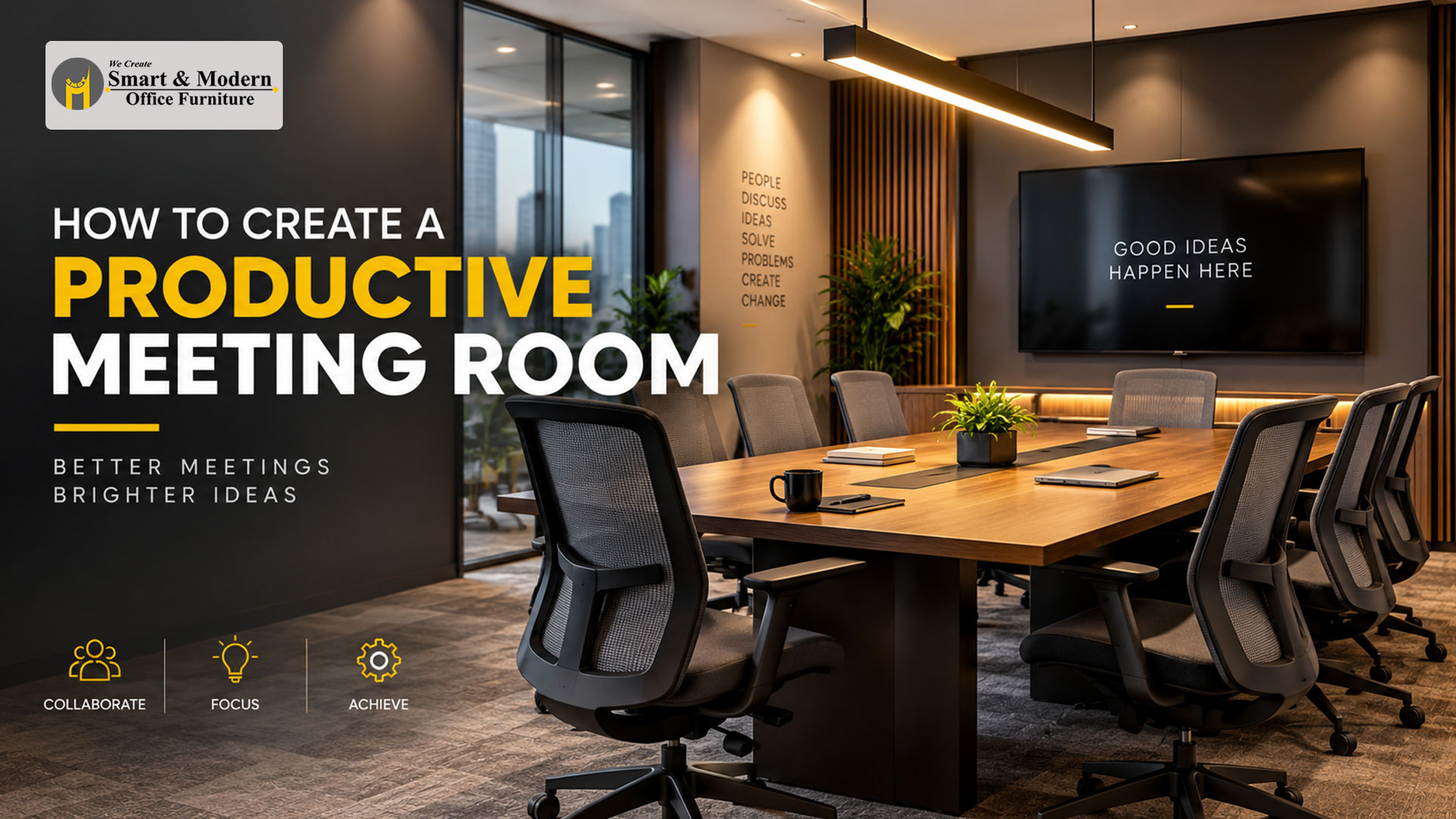
By A meeting room is more than just a table and a few chairs. A well-designed meeting room should help employees communicate, collaborate, stay focused, and make better decisions.
With modern workplaces becoming more flexible, meeting spaces need to be comfortable, practical, and technology-ready. Here are some key factors to consider when designing a productive meeting room.
1. Choose the Right Layout
The layout should match the type of meetings your team conducts. A traditional boardroom layout works well for formal meetings, while flexible tables and movable chairs are better for brainstorming and collaborative sessions.
Make sure there is enough space for people to move comfortably around the furniture without making the room feel crowded.
2. Invest in Comfortable Furniture
Comfort plays an important role during longer meetings. Choose ergonomic meeting room chairs that provide good back support and a meeting table with enough workspace for everyone.
The furniture should also complement your office design and create a professional environment for employees, clients, and visitors.
3. Improve Acoustics
Noise and echo can make meetings difficult, especially when people are joining through video calls. Acoustic panels, partitions, carpets, and soft furnishings can help create a quieter environment.
A well-controlled acoustic environment allows participants to hear conversations more clearly and stay focused.
4. Make Technology Easy to Use
Modern meeting rooms should support both in-person and remote meetings. Include a display or screen, video-conferencing equipment, reliable Wi-Fi, and convenient charging or power points.
Keep cables organized and integrate technology into the furniture wherever possible to maintain a clean workspace.
5. Use Good Lighting
Good lighting can make the meeting room more comfortable and professional. Make use of natural light where possible, while controlling glare on screens.
Combine natural daylight with comfortable artificial lighting to create an environment suitable for presentations, discussions, and video conferences.
6. Keep the Design Simple and Flexible
A productive meeting room doesn’t need to be complicated. Use a clean design, appropriate branding, plants, and practical furniture to create a welcoming atmosphere.
Most importantly, design the room so it can support different activities—from team meetings and presentations to brainstorming and client discussions.
Final Thoughts
A productive meeting room combines smart space planning, comfortable furniture, good acoustics, effective lighting, and reliable technology.
The goal is not simply to create an attractive conference room, but to build a space that helps people communicate better, collaborate effectively, and get more done.
